Neuralink Is Binaryx's First Pre-IPO Deal


In 2016, a diving accident left Noland Arbaugh paralyzed below the shoulders. Eight years later, at 29, he became Neuralink's first human patient, and within weeks he was playing chess against a computer, moving the pieces with nothing but his thoughts. Other patients have since driven a robotic arm across a room, and one heard his own voice again, reconstructed from brain signals after the ability to speak was gone.
As of June 2026, 26 people live with a Neuralink implant. The human trials have run for 29 months across five countries (the US, Canada, the UK and the UAE) with zero serious adverse device events.
That part of the story has nothing to do with valuations. The part that does: Neuralink is still a private company, and as of today, it's Binaryx's first deal outside real estate.
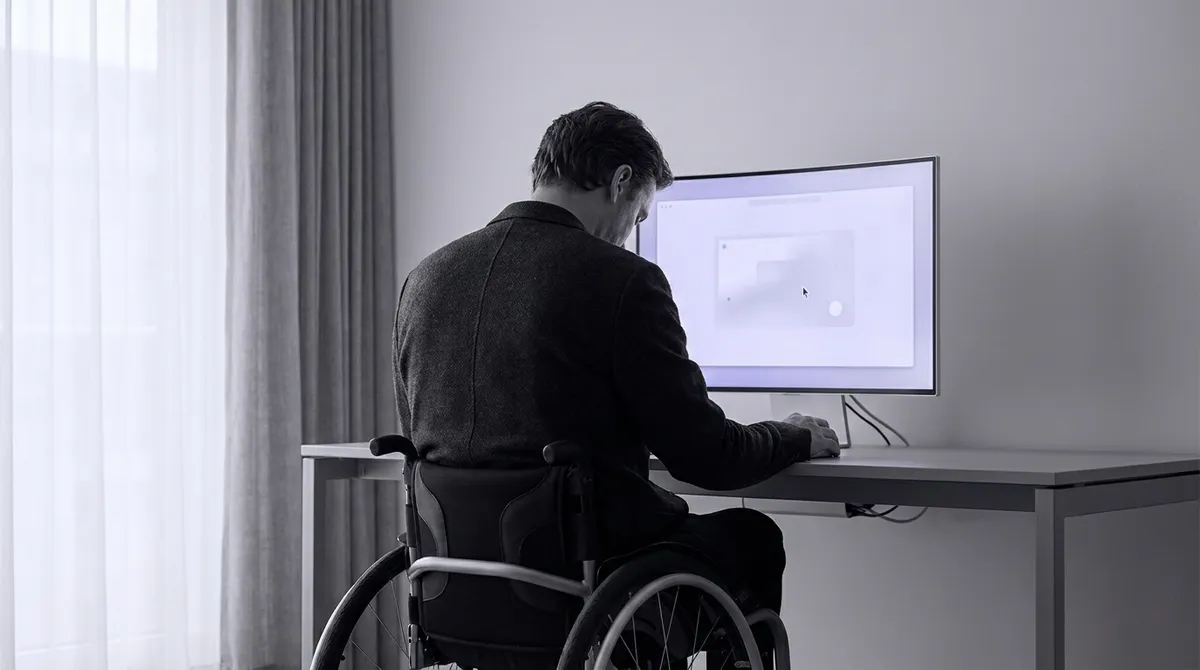
Concept illustration, not an actual patient photo.
Why We're Telling You This Now
We built Binaryx so that anyone could own a piece of real estate: $8.5M+ invested, 2,500+ investors in 20+ countries, 37 properties, an average historical rental yield of 11.04%, a 4.7/5 rating on Trustpilot. That business isn't changing. But real estate was never really the product. The product is the model: low minimums, a real legal structure, tokenized ownership, and a secondary market so nobody is locked in for a decade.
That model was always meant to travel. The name says it: Binary for digital, X for any asset. Last year Jones Day, one of the world's largest law firms, brought us into its Fin Accelerate cohort in Silicon Valley, and that opened a door usually closed to anyone without an accredited-investor letter and a five-figure check: pre-IPO allocations in late-stage private companies. We're opening the same access from $250, no accreditation required. Neuralink is the first name on the list.
What Pre-IPO Means, and Why It Matters More Now
Pre-IPO investing means owning a stake in a company before it lists publicly or gets acquired. For decades, that stage belonged to VCs, insiders and institutions writing $5,000–$50,000+ checks. It matters more now for a simple reason: companies stay private much longer. The median age at IPO has grown from about 4 years in 1999 to about 12 today. Median IPO valuations are up 312%. The US has half as many public companies as it did in 1996. Meanwhile, private "unicorns" went from 39 in 2013 to more than 1,400, worth around $7.4 trillion combined, and secondary-market volume is growing 110% a year, according to Forge Global. This stopped being a niche a while ago.
Amazon went public in 1997 at a $438M valuation; investors who held on caught a run of roughly 220,000%. Repeats of that story are rare now, because so much of the growth happens before the listing. Circle listed at $31 and peaked near $299. Reddit listed at $34 and traded near $205 in 2026. Both have also fallen hard since their peaks. The cleanest example is Facebook: its shares changed hands at around $2 on secondary markets in 2009, three years before the $38 IPO. Roughly 19x, captured before the public could join. None of this guarantees anything.
One more pattern, offered as context rather than a promise. Tesla is up roughly 260x since its 2010 IPO. SpaceX grew from about $12B in 2015 to about $800B in 2025 entirely as a private company. xAI went from under $1B in late 2023 to $230B in January 2026, then merged into SpaceX at a $250B valuation. Tesla is public, SpaceX has listed, xAI has merged in. Neuralink is the last Musk company still open to pre-IPO investors. That's why we picked it first. It's also why we're not pretending it's a sure thing.
Why Neuralink, Specifically
Founded in 2016 by Elon Musk and seven scientist co-founders, Neuralink is a clinical-stage, pre-revenue company building a generalized brain-computer interface. The goal today is restoring autonomy for people with paralysis, ALS and blindness.
The hardware: Telepathy (N1), a coin-sized wireless implant with 1,024 electrodes on 64 hair-thin threads, first implanted in a human in January 2024. Blindsight, a visual-cortex implant with FDA Breakthrough Device Designation since September 2024, expected to reach first human trials in 2026. The R1 surgical robot, which places each thread in about 1.5 seconds. And VOICE, a speech-restoration program with its own Breakthrough Device Designation from May 2025.
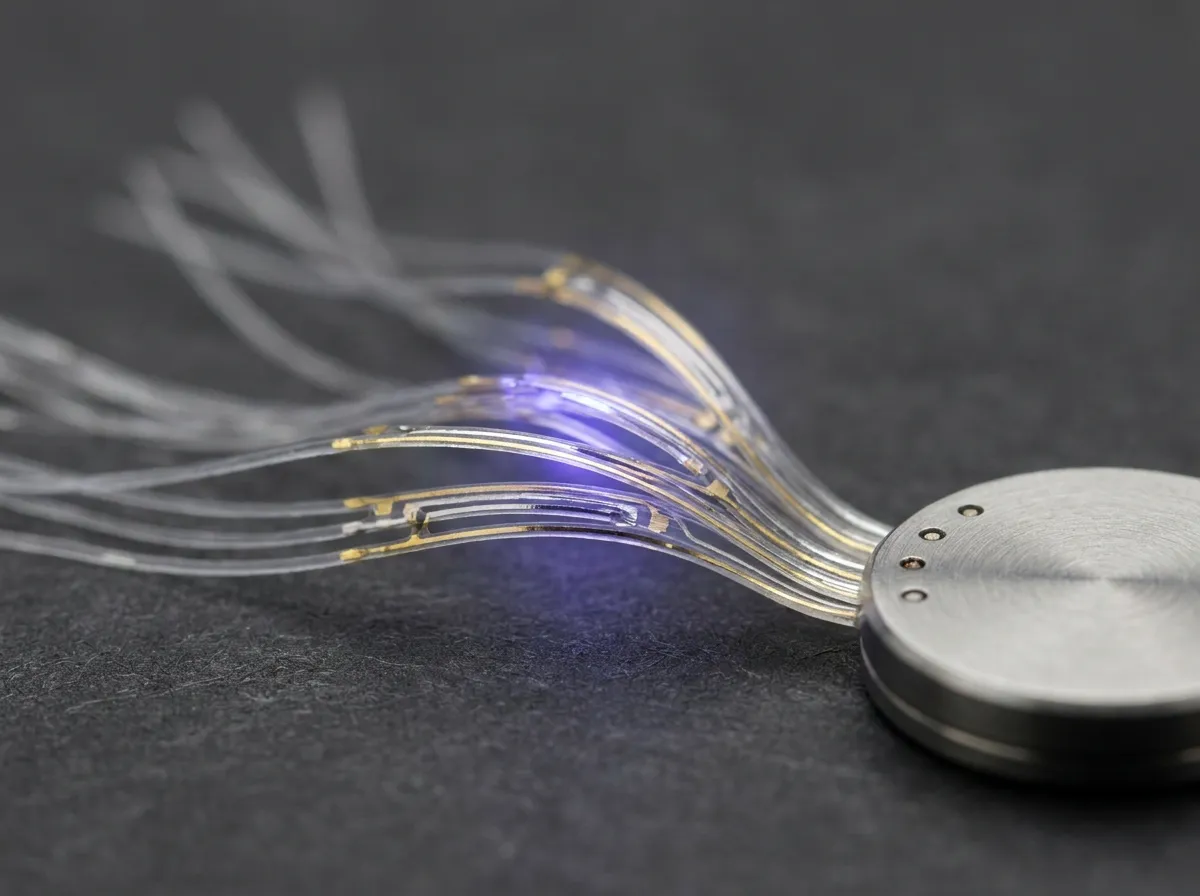
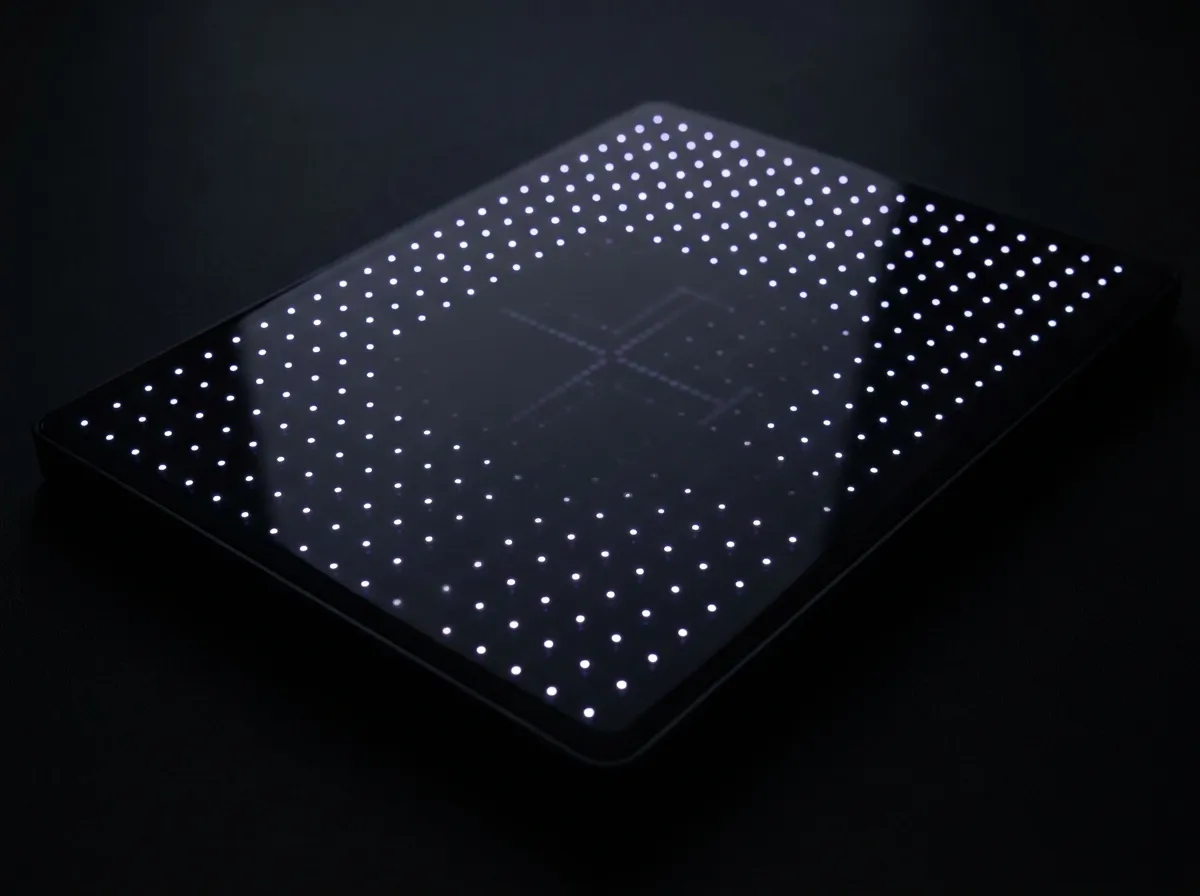
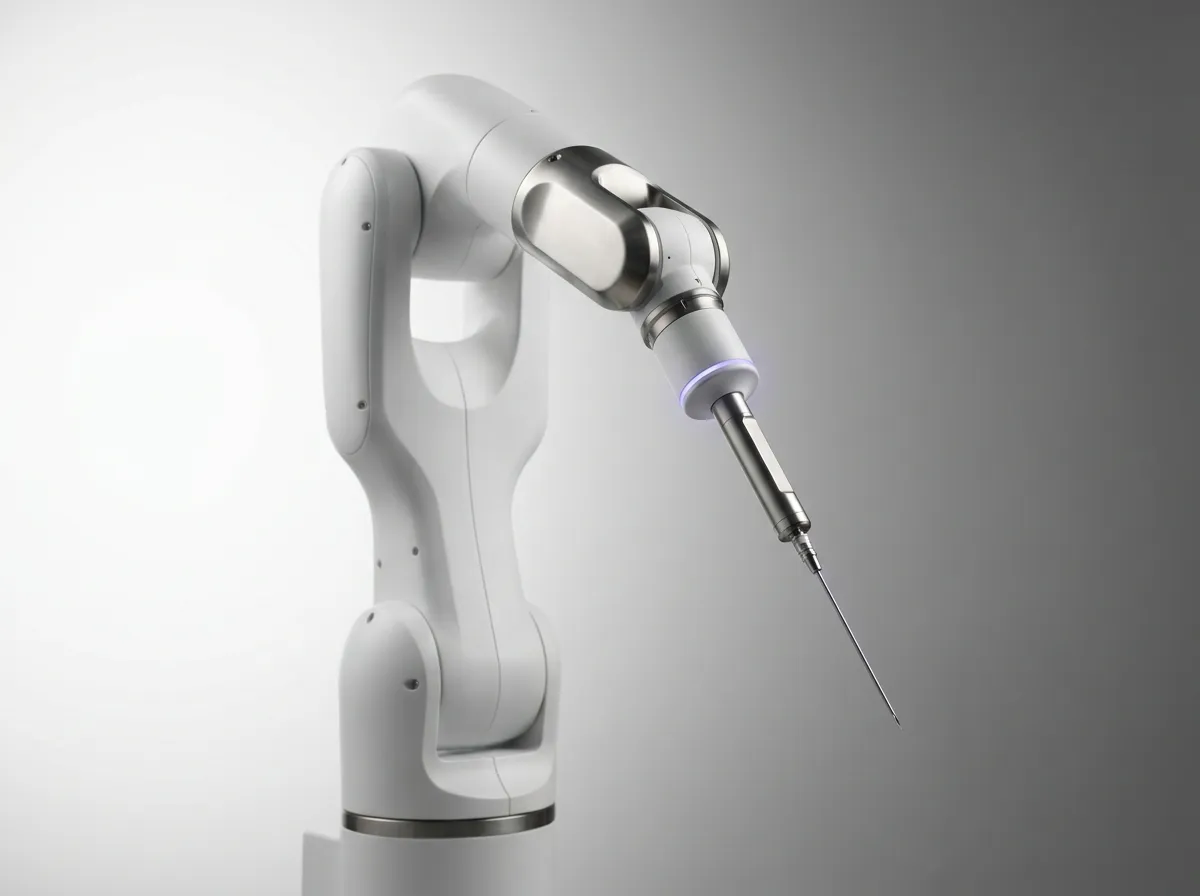
Concept illustrations created for this feature, not official Neuralink product photography.
Neuralink has raised more than $1.3B since 2017. The latest round, a $650M Series E in June 2025 at a $9B pre-money valuation, came from ARK Invest, Sequoia Capital, Founders Fund, DFJ Growth, G42, Lightspeed, QIA, Thrive Capital, Valor Equity Partners, Vy Capital and Google Ventures, among others. That single round raised more than every other brain-computer interface company has raised in total. Morgan Stanley puts the long-term US neurotech market around $400B and calls Neuralink the leader. It also has real competitors: Synchron's less invasive implant could reach FDA approval first, and Paradromics, Precision Neuroscience and Blackrock Neurotech are all serious.
On leadership: Elon Musk, founder and majority owner, sets the vision. He's also the biggest concentration risk, with his attention split across Tesla, SpaceX and xAI. The CEO of record is Jared Birchall, who also runs Musk's family office, an unusual structure worth knowing up front. DJ Seo, co-founder and President, runs engineering. Dr. Matthew MacDougall, Head Neurosurgeon, performed the first human implants. Shivon Zilis directs operations and special projects.
The Deal, in Plain English
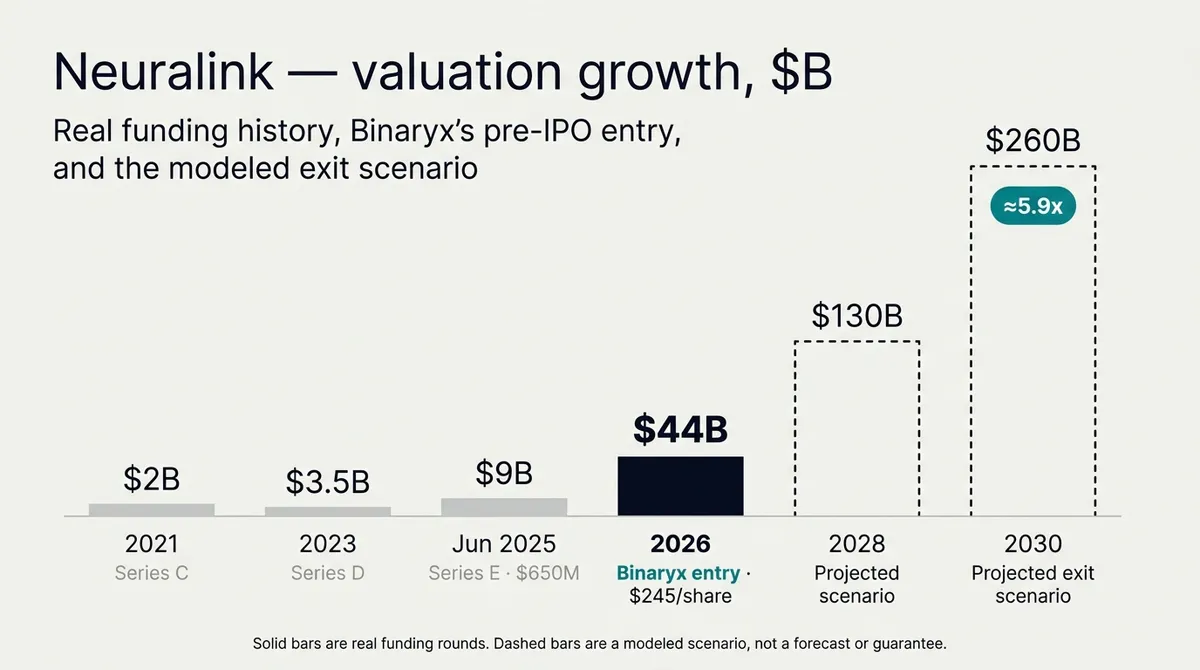
Our entry point is a $44B valuation, at $245 per share. That's our own estimate, built from secondary-market venue pricing; there is no public trade to anchor to. For context, Neuralink's last primary round, the $650M Series E in June 2025, was priced at $9B pre-money. So the $44B entry is a markup on that round, not a market price. We want you to see that clearly before you invest.
Minimum investment: $250. Entry fee: up to 5%, taken once on the amount invested. Success fee: up to 20%, taken only on the profit realized at exit, never on principal.
Here's the structure, step by step. A dedicated DAO LLC issues the tokens for this deal and collects investors' USDT. Once the raise closes, that DAO LLC becomes the sole investor in a series of Binaryx Private Equity Fund Series LLC, our fund, created specifically for this project, and signs a subscription agreement with it. The DAO LLC then transfers the funds to the series, and the series buys the Neuralink pre-IPO stake. That stake is recorded on the company's cap table in the name of the fund series: documented proof of ownership. When the stake is eventually sold at a profit, at an acquisition or an IPO, the proceeds flow back to the series, then under the subscription agreement back to the DAO LLC, and are distributed among token holders in proportion to the tokens they hold.
Two registered Delaware entities sit behind this: Binaryx Capital LLC, the manager, and Binaryx Private Equity Fund Series LLC, the fund that holds each deal in its own series. Both have filed Certificates of Formation dated June 2026, and we'll publish them alongside full deal documentation in the data room before close.
On liquidity: pre-IPO stakes are normally locked up for years. Our P2P market lets you list your token for early resale, subject to finding a willing buyer; that's not guaranteed. The other paths to realizing value are a future Neuralink IPO or acquisition. Neither has been announced.
On taxes, the treatment matches our real estate deals. The fund files a US partnership return (Form 1065) and issues a Schedule K-1 to each investor. In years with no income, which for a pre-IPO hold can be several, the K-1s are nil. When the stake is sold and income is realized, each investor's K-1 reports their share of that income, calculated in proportion to the number of tokens they hold.
Our internal financial model includes one scenario (not a forecast, not a guarantee) projecting Neuralink at $130B by 2028 and $260B by 2030: a gross multiple of roughly 5.9x from the $44B entry. The same model contains other scenarios, including a total loss of capital.
What $10,000 Looks Like, in That One Scenario
Illustrative only, based on one scenario in our model, not a promise of any kind:
- Invest $10,000 at $245/share: roughly 40.8 shares
- In the modeled $260B exit scenario (2030), that stake would be worth about $59,067 gross
- A 20% success fee on the roughly $49,067 gain is about $9,813
- Net proceeds: about $49,250, roughly a 4.9x net return in this one scenario
Other scenarios in the same model produce materially different outcomes.
We priced this deal the way we'd want it priced if it were our own money going in first, because it is. We built Binaryx to open doors that used to require a name, a network, or a minimum most people don't have. The upside case here is real, but so is the downside, and we'd rather show you both.
– Oleg Kurchenko, Co-founder & CEO of Binaryx
The Risks, in Context
Every investment has trade-offs. Here are the ones worth understanding before you take part.
- Regulatory timeline: Neuralink's devices currently hold FDA Breakthrough Device Designations, a status that speeds up review, rather than full marketing approval. Full approval is expected around 2027–28, and as with any clinical program, that timeline can move.
- A new field: brain-computer interfaces are early technology. The approach keeps improving as trials progress (the surgical technique was refined after the first implants), and long-term durability is still being established.
- Leadership: the company is closely tied to Elon Musk's vision, and its operations run through his family office. It's a concentrated structure worth understanding up front.
- Competition: Neuralink leads its category, but it isn't the only player. Synchron's less invasive approach may reach approval on its own timeline, alongside other serious teams.
- Future funding: as a pre-revenue company, Neuralink will likely raise more capital as it scales, which can dilute existing holders, including this allocation.
- A long-term hold: there's no announced IPO date. Our P2P market offers a way to resell earlier if a buyer is available, but this is best approached as a multi-year commitment.
- Valuation: as a pre-commercial company, Neuralink's value reflects its future potential rather than today's revenue, so it can move on clinical or regulatory news.
- Public attention: as a high-profile company, Neuralink draws media scrutiny, including past coverage of animal-welfare and workplace matters.
Pre-IPO investing is a long-term, higher-risk part of a portfolio. It's best approached as one piece of a diversified mix, with an amount you're comfortable committing for several years.
How to Participate
The Neuralink allocation opens on app.binaryx.com from a $250 minimum. As with every Binaryx investment, you'll need to complete identity verification (KYC) before you can invest. It's a US securities-compliance requirement, applied the same way across the platform today.
Neuralink · Pre-IPO
From $250, before the round closes. Complete KYC once and you're ready to invest the moment the allocation opens.
Book Allocation