Real Estate, Now Liquid: Claim Any Time and Lower Entry

Matthew is a longtime real estate enthusiast who hit the same wall most retail investors do: the entry threshold. Buying a single property meant six figures of capital and operational headaches he didn't want. Tokenization changed the calculus. On Binaryx, he holds fractions of multiple Bali properties, sees daily dividends accrue, and can exit at any time on the secondary market. He calls it a revolution. Here's why.
Editorial note: This article is anchored to Matthew's video testimonial and his public LinkedIn profile. The pull quote condenses his verbatim words; Q&A passages are drafted in his voice — replace with full verbatim after a follow-up interview. Stats are placeholders pending a dashboard pull.
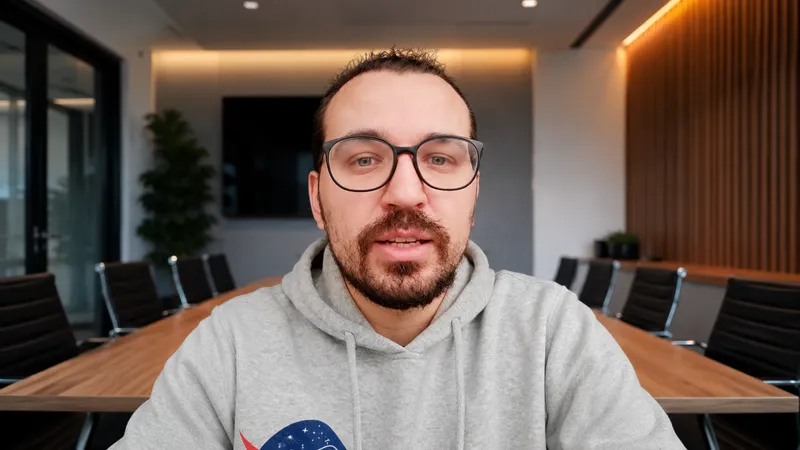
Matthew’s video review
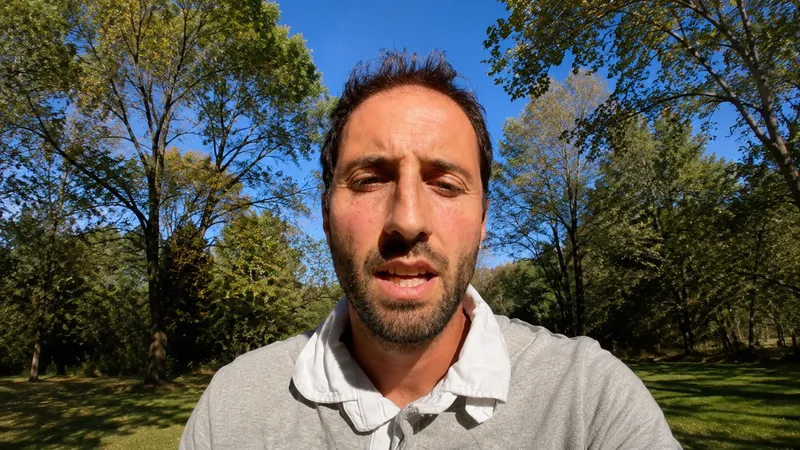
Investor profile
"Now many investors with smaller budgets can access real estate they couldn't afford before — and have a high return on it. The great thing is you can have an immediate return as you can claim any time you want. Customer support is also great."
— Matthew (LinkedIn), Real Estate Investor
| Metric | Value |
|---|---|
| Number of invested projects | 2 Bali properties — Vesna Townhouse, Kammara Loft 1 (both operating rentals; verify with investor) |
| Average APR (across portfolio) | ~9.50% blended (verify against dashboard) |
| Total return to date (USDT) | Cumulative USDT TBD — verify against dashboard |
| Status on platform | ~6–9 months (verify) |
Why liquidity is the part that changes everything
Matthew's core insight isn't about Bali specifically — it's about what tokenization does to the structure of retail real estate. Traditional ownership is illiquid by design: a property sale takes months, costs 6–10% in fees, and only makes sense if you've held long enough to amortize those costs. Tokenization rewrites that. Matthew bought into two Bali properties knowing he could exit at any time on the P2P market — and that's the part of the platform he watches most.
What was wrong with retail real estate access before tokenization?
"Two things. First, the entry threshold — to own a meaningful piece of a Bali property you needed six figures, a local legal structure, and an operator you'd have to vet alone. Most retail investors can't or won't do that. Second, no real exit. Even if you got in, selling required a buyer, a notary, months of paperwork, and a discount if you needed cash fast. Binaryx solved both at once: fractional ownership from $500, and a secondary market where I can exit any time I want. It's a revolution — that's not marketing, that's the structural change."
What does 'claim any time' actually look like in practice?
"Two layers. The daily dividends accrue per minute on rental properties, and I can withdraw them to my wallet whenever I want — no waiting for end-of-month cycles. On the position itself, if I want to free up capital, the P2P secondary market lets me list a fraction of a token for sale. Most listings I've seen clear in hours, not weeks. I haven't had to use it yet — I'm long on Bali — but the option being there is what makes the position different from owning a physical unit."
You mention customer support — why does that matter alongside the structure?
"Because tokenization is still new. When something looks unfamiliar in the dashboard or a payout-timing question comes up, I want a real person to answer — not a chatbot loop. Binaryx support has been responsive and human. That, plus the Wyoming DAO LLC wrapper and the Polygon settlement layer, is what makes me comfortable recommending the platform to friends. The structure is right, the people behind it are responsive, and the entry is accessible. Three things at once is rare."
Software and tools for a liquidity-first investor
Matthew opens the Binaryx dashboard about twice a week. He checks the daily dividend tracker on his two rental positions and watches the P2P market view as a price reference — even when he isn't selling. The Transaction History page exports a CSV he imports into a spreadsheet that tracks cost basis, dividend claims, and any rebalancing trades. The Documents section holds his K-1 forms and monthly statements for tax purposes.
Off-platform, his stack reflects a retail investor's discipline rather than a trader's. A simple Notion page tracks his thesis per property — why he bought, what he's watching, what would make him sell. Polygon settlement means dividend withdrawals land in his wallet in minutes; he uses Zerion as a portfolio aggregator alongside his crypto holdings. He hasn't had to escalate to support in months, but he flags the response time as one of the reasons he's added positions over time.
Free financial consultation with Binaryx
Earn up to ~12% real returns in your portfolio with our financial advisor and personalised strategies.
Other resources to learn how to invest
If you recognise the same friction Matthew was solving — wanting real estate exposure that's actually liquid and accessible — three resources will help.
- Is Real Estate a Liquid Asset? — the cost of illiquidity in traditional real estate vs the tokenized exit.
- Why Tokenized Real Estate Is the Future of Investing — Binaryx's primer on fractional ownership, dividends, and the secondary market.
- Tokenized vs Traditional Real Estate in 2025 — side-by-side comparison of structure, liquidity, and yield.
Conclusion
Matthew's thesis is the simplest version of a liquidity argument for tokenized real estate: an asset class long defined by illiquidity becomes investable for retail when both the entry threshold and the exit drop. Fractional ownership solves the first; the P2P secondary market solves the second. The daily dividend claim cycle is the third layer most platforms skip.
"It's a revolution — that's the structural change."
If you recognise yourself in his starting point — interested in real estate but blocked by capital requirements or worried about being stuck — his pattern is a sensible default. Wyoming DAO LLC gives you a legally recoverable claim, Polygon settlement means dividend withdrawals are minutes rather than days, and KYC is a one-time step that makes the cap table enforceable. The platform's job is to keep ownership operational and the exit open; yours is to size positions so the option to exit is a comfort rather than a necessity.
Practical next step: pick one operating rental for dividend yield and treat the P2P market view as part of your weekly check-in — even before you need it. Knowing where your token currently clears is a discipline most retail real estate investors never develop, and it's the part of the tokenized model that genuinely changes the asset class.
Book a free consultation with a Binaryx advisor to walk through your starting position, or join the next investor webinar to see the P2P market in action.