Smallest Step Into Tokenized Real Estate: A Cautious Start


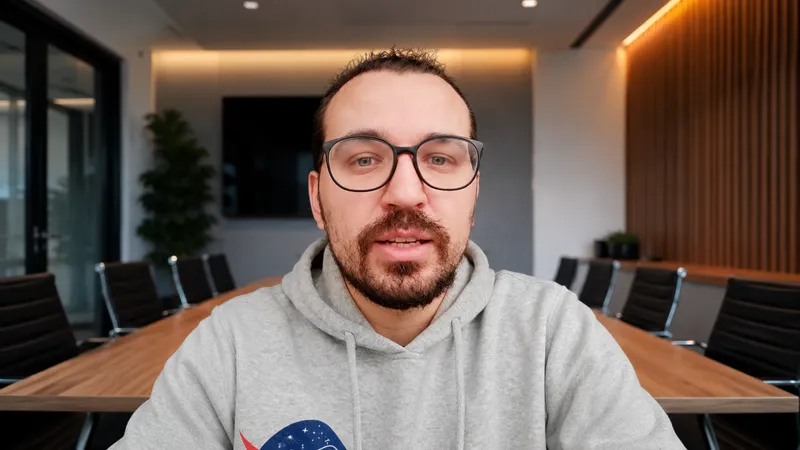
Sophie is a product manager who treats her own investing the way she treats a product roadmap: small experiments first, real data before scaling. Her first Binaryx position was the minimum allocation to a single Bali rental — Vesna Townhouse. The experiment is still running. What she's learned in the first months is worth more than what she's earned.
Investor profile
"I run experiments for a living. So I treated my first investment as one: smallest sample size that still teaches me something real. One property, smallest position, no second move until I've watched a full cycle."
— Sophie (LinkedIn), Product Manager
| Metric | Value |
|---|---|
| Number of invested projects | 1 rental | 0 construction (Vesna Townhouse) |
| Average APR (across portfolio) | ~11.11% (verify against Vesna page) |
| Total return to date | Daily USDT dividends accruing — verify cumulative against dashboard |
| Status on platform | ~2 months (verify) |
Smallest meaningful test
Sophie's first move on Binaryx was deliberately under-sized. She picked one property, the operating rental Vesna Townhouse, and bought the minimum token allocation that still gave her a real position rather than a token-purchase test. Her thesis isn't about Vesna specifically — it's about learning the platform behaviour around an actual income-producing position before allocating meaningful capital.
Why one operating rental rather than spreading capital or chasing construction-phase upside?
"Two reasons. First, I wanted to see real cash flow from day one. An operating rental pays daily dividends in USDT, so within the first week I could watch the platform actually do the thing it promises — accrue and distribute. A construction position would have left me staring at milestones with nothing landing in my wallet for months, which teaches you less when you're still deciding whether to trust the platform at all. Second, one position keeps the experiment clean: a single variable, the smallest stake that's still a real position, so anything I learn is about the platform, not about my allocation choices."
What's the experiment actually testing?
"Three things. One — does the operator distribute the dividends they say they will, on the schedule they promised, with a downloadable statement? Two — is the legal wrapper (Wyoming DAO LLC, Polygon settlement) as clean in practice as it looks in the docs? Three — does my own behavioural pattern hold? I tend to forget about investments and check them quarterly; I want to see if Binaryx's notifications and dashboards keep me engaged without making me reactive. Two months in, all three are passing."
What was the hardest part of starting?
"Trust. I'd never bought anything outside listed equities and a US 401(k). 'Tokenized villa in Bali' sounds engineered to be a scam story until you actually open the documents — and even then the first KYC step felt like crossing a line. Once I understood the structure — US legal entity with the tokens as the cap table, Polygon as the settlement layer, KYC required because real ownership has to be enforceable — the friction made sense. I'd rather sit through eleven minutes of verification than discover at exit that my position isn't legally recoverable."
Software and tools for cautious starters
Sophie uses the Binaryx dashboard sparingly. With one position, she doesn't need much: the daily dividend tracker shows her per-minute accrual on Vesna, and the monthly USDT statement lands on her Portfolio as a downloadable PDF. The property page gives her occupancy data and the operator's monthly update. She gets in-app notifications when a statement or update posts, which she logs into a simple Notion page along with her own thesis updates. The KYC and Documents sections she's visited once each and trusts the platform to maintain.
Off-platform, her stack is intentionally minimal. She uses a Notion table to track her thesis, a monthly calendar reminder to reconcile the USDT received against the platform statement, and the Binaryx blog as her primary information source for Vesna-specific updates. She hasn't opened PolygonScan and doesn't plan to until she has a reason; the platform's monthly statement is her source of truth. The discipline is in keeping the toolset small so the position doesn't become a hobby.
Free financial consultation with Binaryx
Earn up to ~12% real returns in your portfolio with our financial advisor and personalised strategies.
Other resources to learn how to invest
If you're testing the platform with a small first position, these resources will help. They cover the asset-class fundamentals, verified single-property rental data, and the broader testimonial collection.
- Why Tokenized Real Estate Is the Future of Investing — Binaryx's primer for first-time investors.
- Tokenized Real Estate Rental Income: AWWA Hotel Case Study — verified APR data on a single Bali rental, the same position shape Sophie is testing.
- Binaryx Customer Testimonials & Success Stories — the broader collection of investor outcomes.
Conclusion
Sophie's pattern is the lowest-stakes way to learn a new asset class: one position, smallest meaningful allocation, no second move until a full cycle has played out. Two months in, the experiment is doing what experiments should — generating cheap learning before expensive bets, and teaching her the platform mechanics that future positions will rely on.
"I'm testing the platform, not the property. That comes next."
If you're at the same point — interested, sceptical, unwilling to size up until you've seen the platform behave — her starting structure is genuinely sensible. One operating rental shows you the part of the platform that matters most early — does the money actually arrive, on time, with a statement you can reconcile — and the $500 minimum makes the test cheap. The harder discipline is not adding a second position before the first one has paid you through a full cycle, regardless of what the projected APR looks like on the next property listing.
Practical next step: pick a single operating rental, write down what would make you exit (missed or late distributions, operator change, a statement you can't reconcile), and revisit those exit conditions after the first full distribution cycle. If the platform paid as documented, you've earned the right to size up — not before.
Book a Binaryx consultation to talk through a small-position starting strategy, or attend the next webinar to see a live property and dashboard walkthrough in detail.